Solar PV &
Battery Storage
Get in Touch
Our approachable team will reply with straightforward answers or times to discuss your reliable power solutions.
Message Us
How it Works
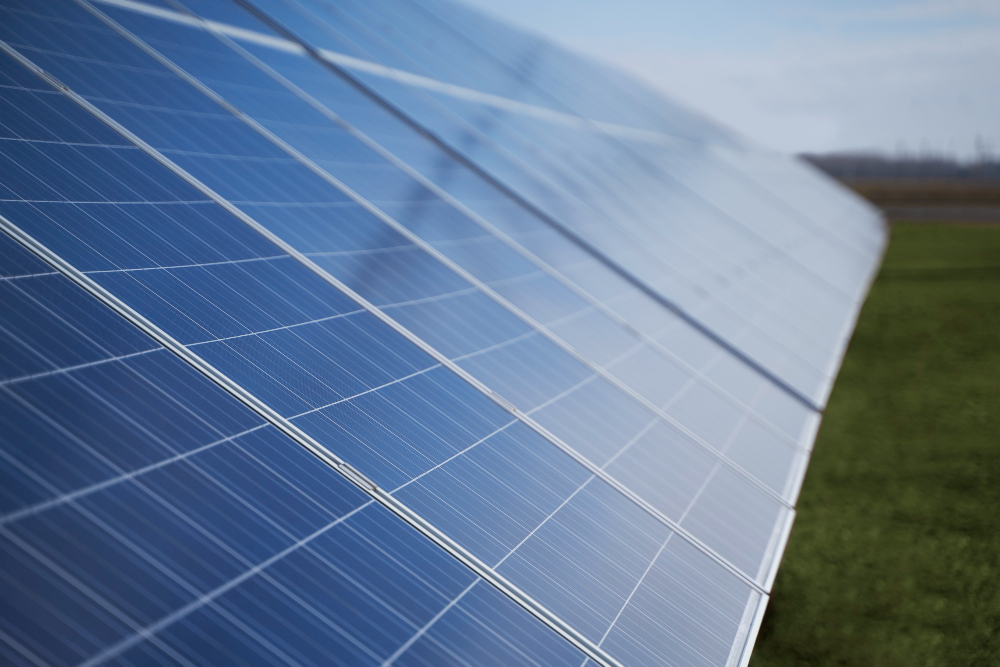
Solar photovoltaic (PV) systems generate electricity from daylight using roof-mounted panels. The electricity produced is used directly within the property first, reducing the amount of power drawn from the grid.
When generation exceeds demand, surplus energy can either be stored in a battery system for later use or exported back to the grid. Modern solar systems operate efficiently in UK conditions and continue to generate power throughout the year, not just in direct sunlight.
When generation exceeds demand, surplus energy can either be stored in a battery system for later use or exported back to the grid. Modern solar systems operate efficiently in UK conditions and continue to generate power throughout the year, not just in direct sunlight.
Efficiency
Maximise self-consumptionand reduce peak-rate imports
Future Plans
Such as EV charging or increased electrical demand
NAPIT & MCS
Installed to recognised industry standards.
Battery Storage
Battery storage allows excess solar energy generated during the day to be stored and used later - typically in the evening, overnight, or during peak tariff periods.
A properly configured system automatically prioritises powering the property first, then charging the battery, before exporting any remaining surplus. This approach increases self-consumption and reduces reliance on higher-cost grid electricity.
Battery systems can also take advantage of off-peak tariffs by charging from the grid when electricity is cheaper and discharging when prices are higher.
Save Money
Solar PV reduces electricity costs by generating power on-site, meaning less energy is purchased from suppliers at standard unit rates.
Exported electricity may be eligible for payments under the Smart Export Guarantee (SEG), depending on your supplier and tariff. While export payments alone are not designed to deliver large returns, they contribute to the overall system performance.
The most effective systems focus on long-term bill reduction and energy independence, rather than headline payback figures.
Increase Savings
Use more of your own generated energy.
Reduce Imports
Reduce imports during peak tariff periods.
Compatibility
Time-of-use tariffs such as Economy 7 and smart tariffs
Exported electricity may be eligible for payments under the Smart Export Guarantee (SEG), depending on your supplier and tariff. While export payments alone are not designed to deliver large returns, they contribute to the overall system performance.
The most effective systems focus on long-term bill reduction and energy independence, rather than headline payback figures.
Environmental Impact
Solar PV generates renewable electricity with no ongoing emissions and reduces reliance on fossil-fuel-generated grid power.
Over its lifespan - typically 25 years or more - a solar system can significantly reduce a property’s carbon footprint while requiring minimal maintenance. Battery storage further improves efficiency by reducing wasted generation.
Over its lifespan - typically 25 years or more - a solar system can significantly reduce a property’s carbon footprint while requiring minimal maintenance. Battery storage further improves efficiency by reducing wasted generation.
System Design Matters
Solar and battery systems are not “one size fits all”.
System performance depends on:
Poorly designed systems often export too much energy, underutilise battery capacity, or fail to deliver meaningful savings. A well-designed installation focuses on how electricity is actually used within the property.
System performance depends on:
Orientation
Roof orientation and shading
Usage
Household usage patterns
Future Plans
Such as EV charging or increased electrical demand
Poorly designed systems often export too much energy, underutilise battery capacity, or fail to deliver meaningful savings. A well-designed installation focuses on how electricity is actually used within the property.
Compliance
All installations are designed and installed in line with current UK regulations and industry standards.
This includes:
Where required, systems are installed to MCS standards, enabling eligibility for SEG export payments.
As a NAPIT-approved contractor, all work is carried out with safety, compliance, and long-term reliability as the priority.
This includes:
Compliance with BS 7671 (IET Wiring Regulations)
Notification and approval through the local Distribution Network Operator (DNO)
Correct system protection, isolation, and labelling
Where required, systems are installed to MCS standards, enabling eligibility for SEG export payments.
As a NAPIT-approved contractor, all work is carried out with safety, compliance, and long-term reliability as the priority.
Frequently Asked Questions
Does solar work in the UK climate?
Yes. Solar PV works on daylight rather than direct sunlight and performs reliably in UK conditions throughout the year.
Will I still need electricity from the grid?
Yes. Solar and battery systems reduce reliance on the grid but do not usually eliminate it entirely. The goal is to reduce imported energy, not replace it completely.
Is battery storage worth it?
Battery storage is particularly effective for properties with higher evening or overnight usage, EV charging, or time-of-use tariffs. Correct sizing is essential.
Can solar be added to an existing electrical system?
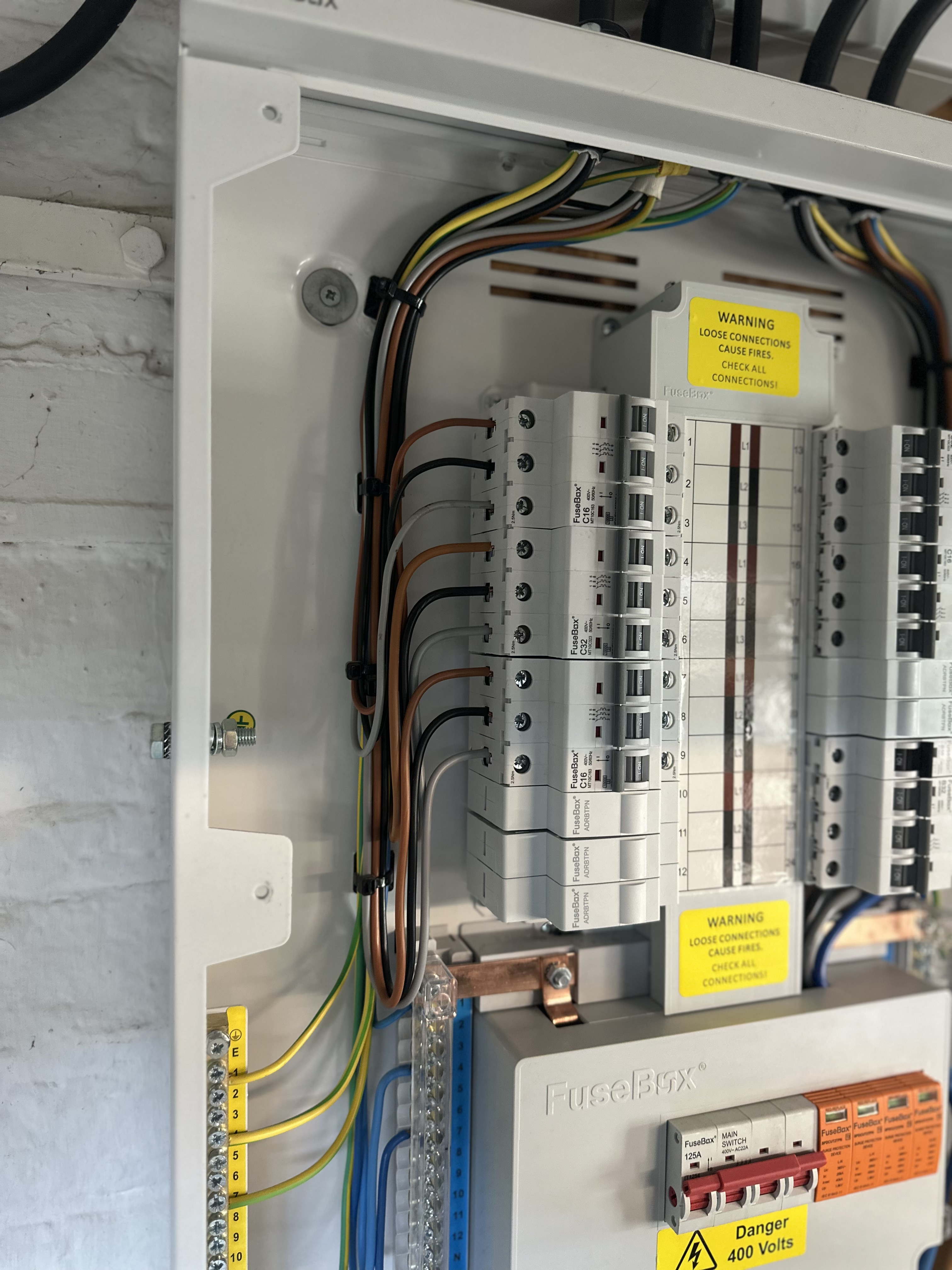
In most cases, yes. Each installation is assessed to ensure compatibility with the existing consumer unit, earthing arrangements, and available capacity.
Do I need planning permission?
Most domestic solar PV installations fall under permitted development. This is confirmed during the design stage.
How long do systems last?
Solar panels typically carry 20–25 year performance warranties. Inverters and batteries have shorter lifespans but are designed for long-term, reliable operation.
Our Approach
We design solar and battery systems based on real usage, not generic packages. Advice is honest, practical, and focused on whether a system genuinely makes sense for the property.
Installations are carried out with the same care and attention as all our electrical work - clean, compliant, and built to last.
Installations are carried out with the same care and attention as all our electrical work - clean, compliant, and built to last.